Overview
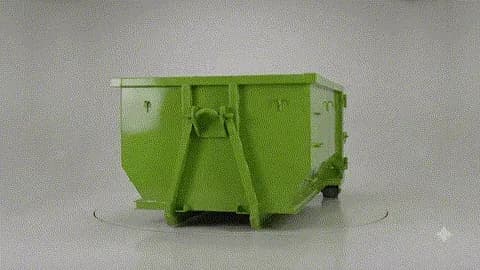
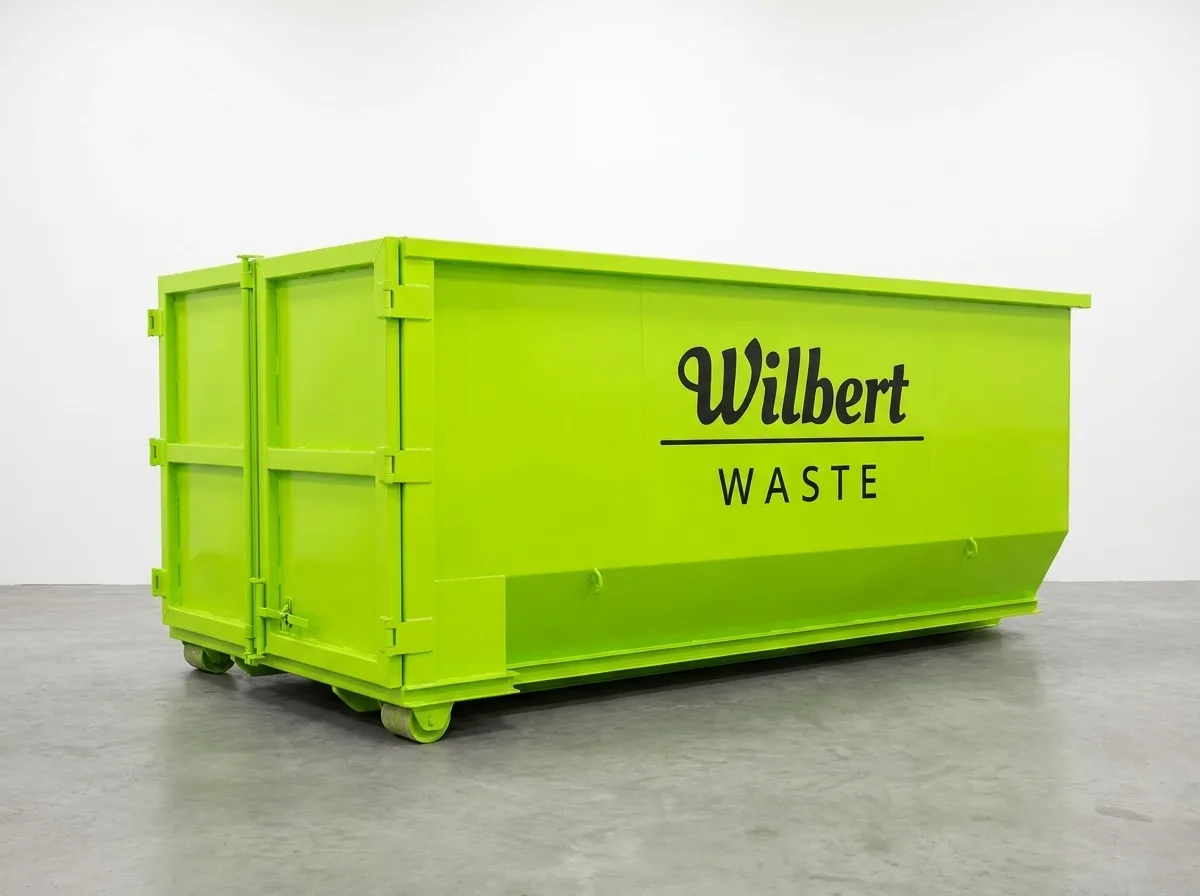
Choosing a size is about two things: how much debris you'll generate, and how heavy it is. Heavy materials like concrete, plaster, and dirt go in smaller containers to stay under weight limits; light, bulky material like cabinetry and framing can fill a larger box. On a narrow city lot or a steep driveway, the footprint matters too — a 10- or 20-yard fits where a 30 won't.
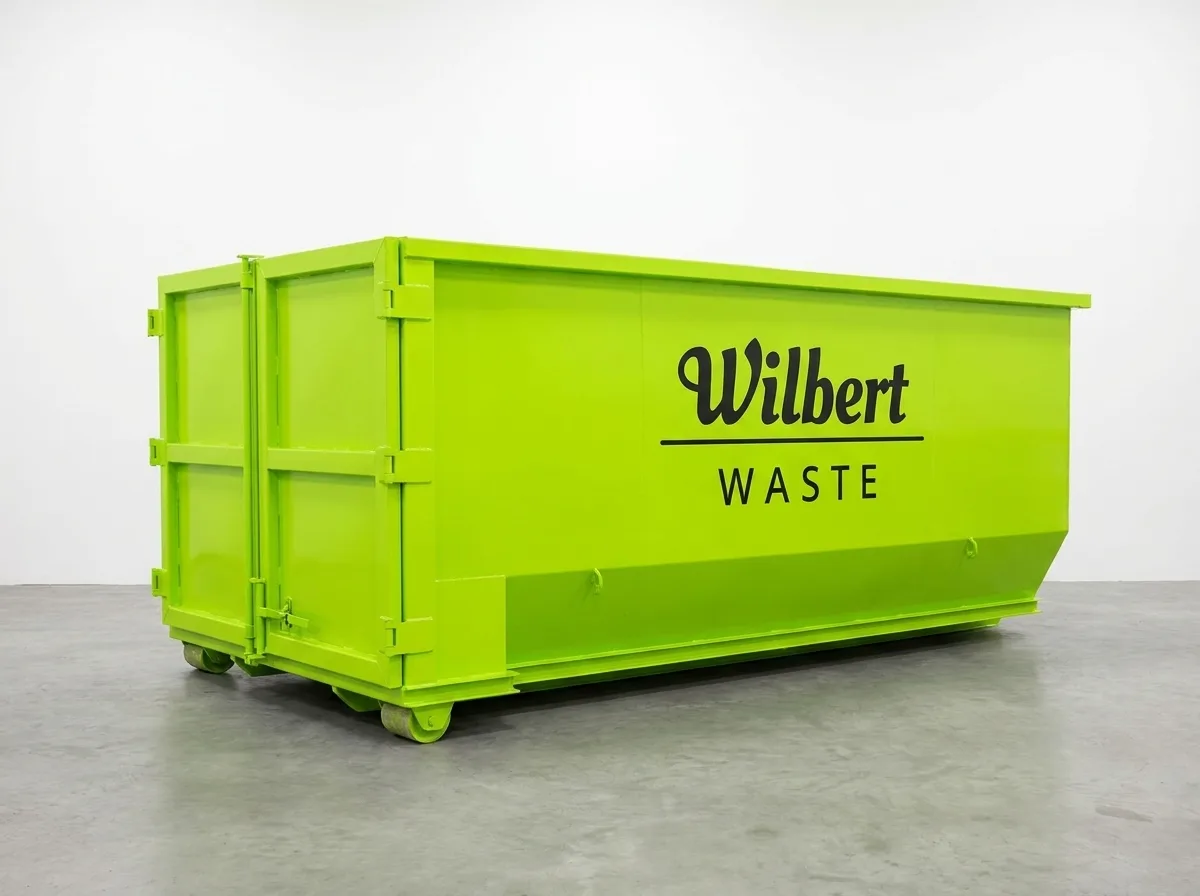
10-yard — small projects & heavy debris
Holds about 3 pickup-truck loads. Low walls make it the go-to for concrete, brick, dirt, and slate, plus small bath or kitchen remodels, garage cleanouts, and small roof tear-offs. It's also the container that fits on the tightest Pittsburgh lots.
20-yard — the everyday workhorse
Roughly 6 pickup loads. Ideal for whole-room remodels, mid-size cleanouts, and flooring, drywall, or plaster-and-lath removal. The most popular size for general renovation work in older Pittsburgh houses.
30-yard — major renovations
About 9 pickup loads. Built for whole-home renovations, large additions, and estate cleanouts where you're moving a lot of bulky, lighter material.
40-yard — commercial & new construction
Roughly 12 pickup loads — maximum volume for commercial C&D, new construction, and major demolition projects.
Related on this site
Jump straight to the pages that match this guide:
Local service links
Planning this project in the Pittsburgh area? Check local details and availability in Pittsburgh, Monroeville, and Greensburg. If your dates are firm, you can go straight to online booking.
Frequently asked questions
What size dumpster do I need for a bathroom remodel?
A 10-yard dumpster is usually right for a single bathroom or small kitchen remodel. Step up to a 20-yard if you're remodeling multiple rooms at once or pulling out old plaster walls.
What size dumpster for a roof replacement?
A small tear-off fits a 10-yard, but many full roof replacements do best with a 20-yard because shingles are heavy and bulky. Multi-layer tear-offs and slate roofs, common around Pittsburgh, are heavier still — we can advise based on your roof's square footage and layers.
What size do I need for concrete or dirt?
Use a 10-yard for concrete, brick, and dirt. These materials are dense, so a smaller low-wall container keeps the load within legal transport weight.
Ready to book a dumpster?
Transparent pricing, fast local delivery, and online checkout in about 90 seconds.