Overview
Roll-off dumpsters handle the vast majority of renovation, cleanout, and construction debris. To keep loads legal at the landfill and safe to haul, a defined set of materials are prohibited. Putting banned items in the container can lead to extra fees or a refused load, so it's worth a quick scan before you fill up.
Generally accepted
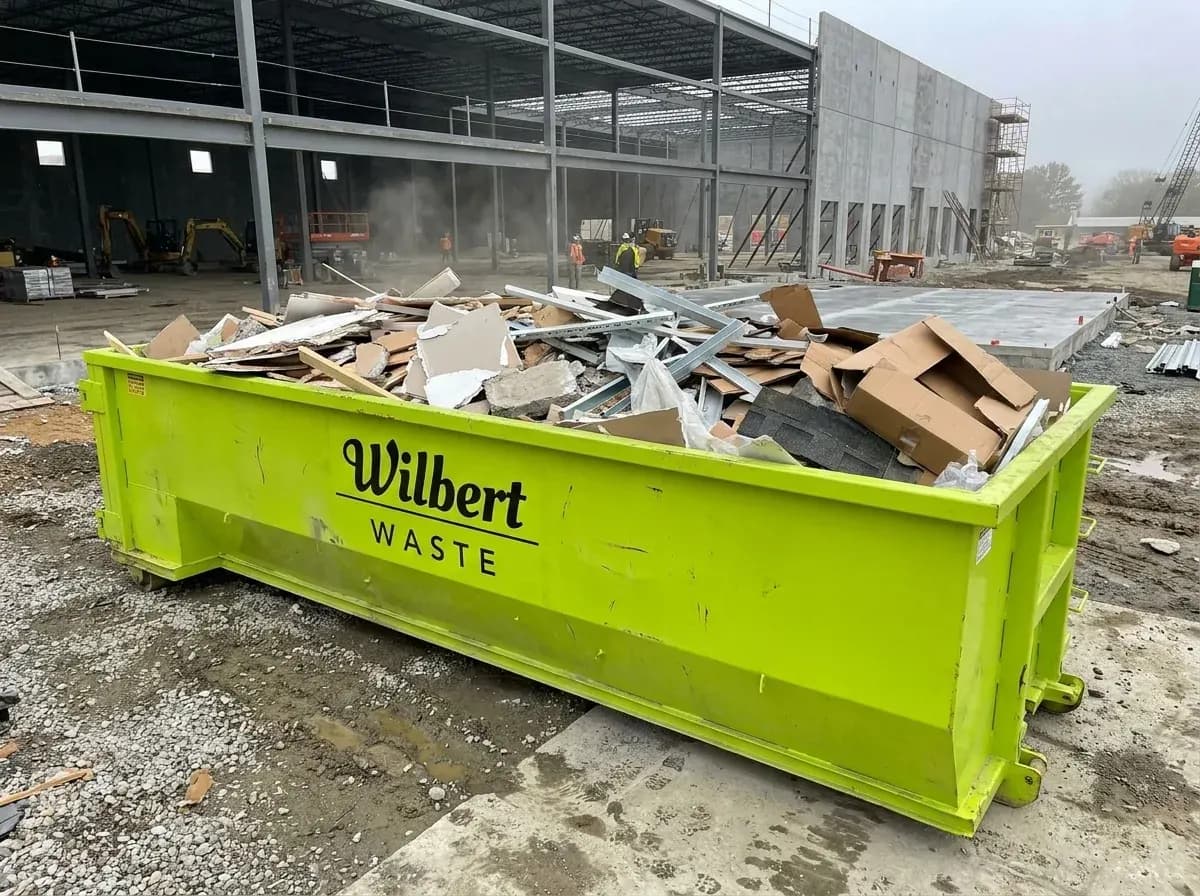
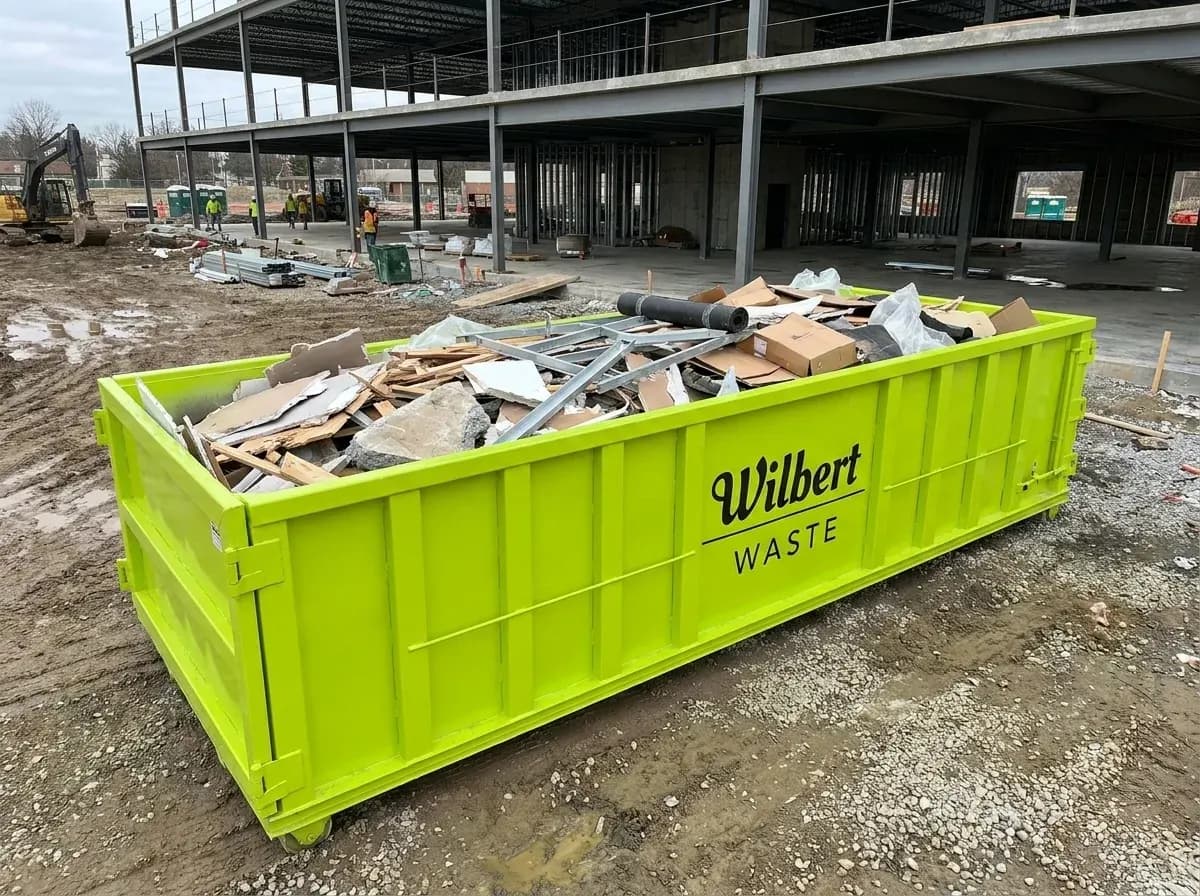
- Construction & demolition debris — drywall, plaster and lath, lumber, framing, trim
- Roofing shingles, slate, and underlayment
- Flooring — tile, hardwood, laminate, carpet, and padding
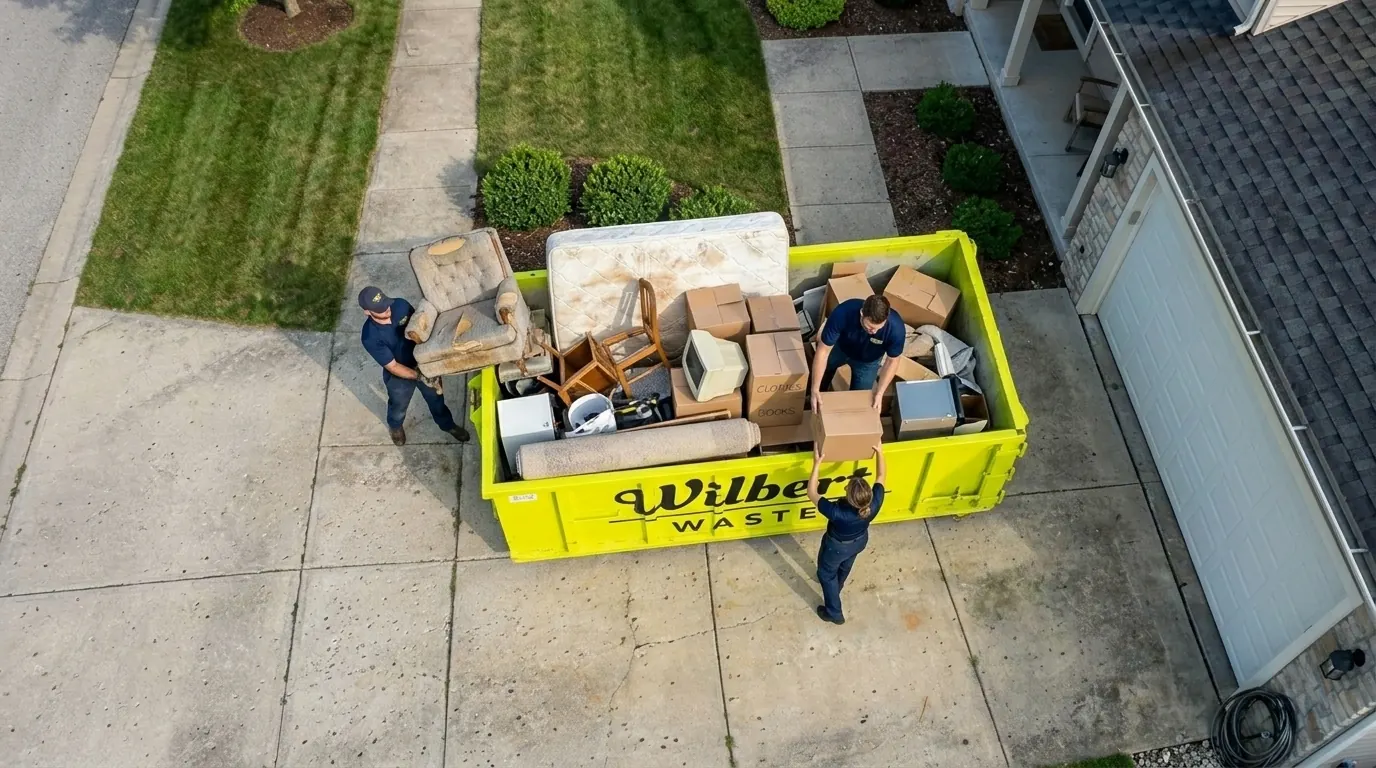
- Household junk and furniture (non-upholstered restrictions vary)
- Yard and green waste — brush, branches, leaves, sod
- Concrete, brick, block, and clean dirt (often in a dedicated heavy-debris container)
- Cabinets, fixtures, and plumbing that contains no refrigerant
Prohibited — needs special handling
These items are typically banned from roll-off containers and standard landfill disposal in Pennsylvania. Many have free or low-cost drop-off options through county household hazardous waste events, retailer take-back programs, or recyclers.
- Hazardous waste — solvents, pesticides, pool chemicals, asbestos
- Liquids — wet paint, oils, fuels (dried latex paint is sometimes OK; verify)
- Tires (charged per tire at most facilities)
- Appliances containing refrigerant — refrigerators, freezers, AC units (unless the refrigerant is professionally recovered)
- Electronics / e-waste — TVs, computers, monitors
- Batteries — lead-acid and lithium
- Propane tanks and other pressurized cylinders
- Medical / biohazard waste
Heavy materials: use the right container
Concrete, brick, dirt, and other dense debris are heavy enough to exceed weight limits fast. For these loads we steer you to a 10-yard container with low walls, which keeps the load within legal transport weight while staying easy to load.
Pennsylvania disposal rules to know
Pennsylvania has specific rules, administered by the PA Department of Environmental Protection (PA DEP), that keep certain items out of dumpsters and landfills. Knowing them up front avoids a refused load or extra fees:
- Tires: Pennsylvania's waste tire rules keep whole tires out of landfill disposal, so they must be recycled separately. Most facilities charge a per-tire fee.
- Whole appliances ('white goods') and anything containing refrigerant must have the refrigerant recovered by a certified technician before disposal.
- Household hazardous waste — paint, solvents, automotive fluids, pool chemicals — should go to a household hazardous waste collection event (Allegheny County and the Pennsylvania Resources Council run them across the region), not a roll-off.
- Electronics (TVs, computers, monitors) are banned from Pennsylvania landfills under the Covered Device Recycling Act and must go to an e-waste collection event or a retailer take-back program.
- Lead-acid and lithium batteries must be recycled, not dumped.
Where these items go in the Pittsburgh area
Residents of Allegheny, Washington, Westmoreland, and Beaver counties can take many of these prohibited items to county or Pennsylvania Resources Council (PRC) household hazardous waste and e-waste collection events, which run on a published schedule through the warmer months. For the full breakdown of the landfills and transfer stations our trucks use, what they accept, and how tipping works, see our Pittsburgh-area landfill guide.
Related on this site
Jump straight to the pages that match this guide:
Local service links
Planning this project in the Pittsburgh area? Check local details and availability in Pittsburgh, Monroeville, and Greensburg. If your dates are firm, you can go straight to online booking.
Frequently asked questions
Can I put a refrigerator in a dumpster in Pennsylvania?
Only if the refrigerant has been professionally recovered and documented. Appliances containing refrigerant — refrigerators, freezers, and AC units — are otherwise prohibited and must be handled separately.
Can I throw away paint?
Liquid paint is not allowed. Latex paint that has been fully dried out (with hardener or kitty litter) is sometimes acceptable, but oil-based paint is treated as hazardous waste. Verify with us or a county household hazardous waste program before disposal.
Can I put concrete and dirt in the same dumpster as other debris?
Clean concrete and dirt are usually kept in a dedicated heavy-debris load because of weight limits. Mixing heavy material with general debris can push the container over legal transport weight. Ask us to set up a heavy-debris container for these projects.
Can I throw tires in a dumpster in Pennsylvania?
No. Pennsylvania keeps whole tires out of landfill disposal — they must be recycled separately, and most facilities charge a per-tire fee. Keep tires out of your roll-off and take them to a tire recycler, a tire shop, or a county collection event.
Ready to book a dumpster?
Transparent pricing, fast local delivery, and online checkout in about 90 seconds.