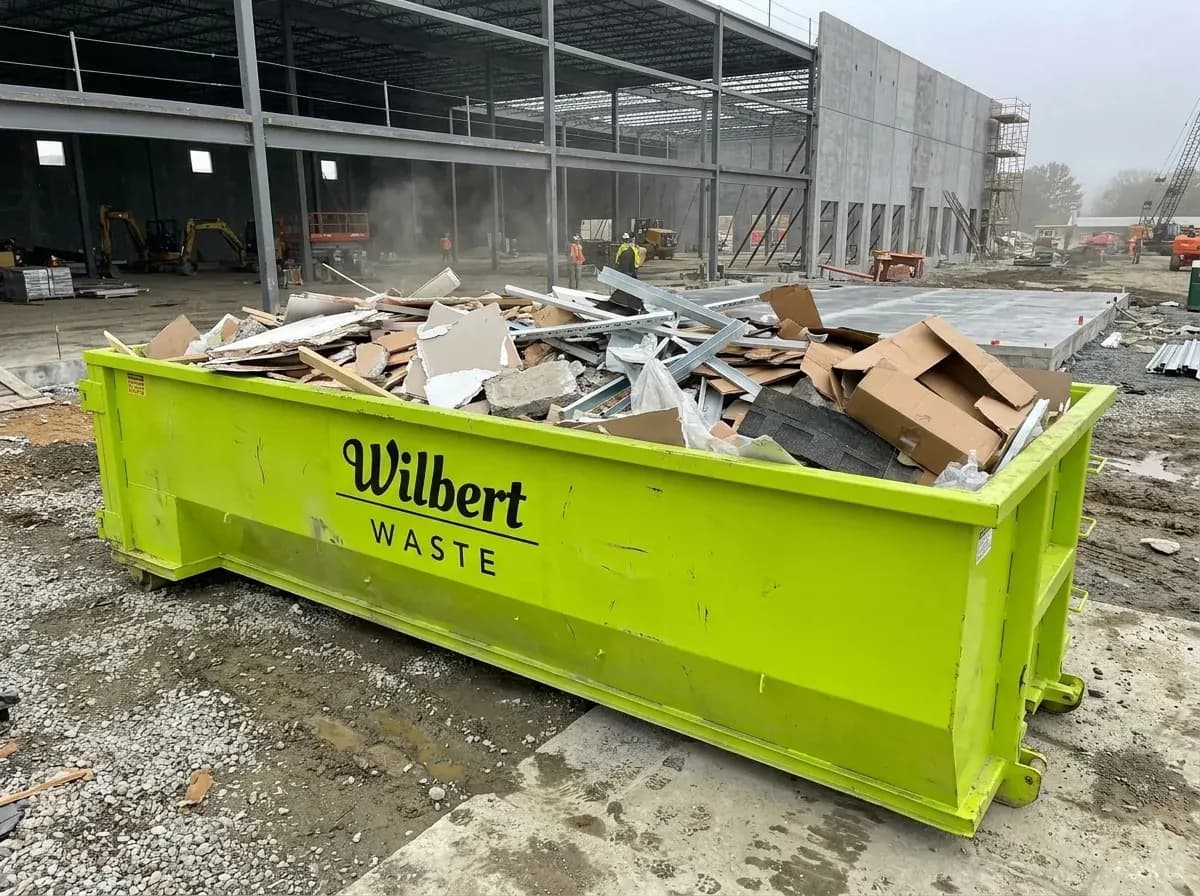
- 01Overview
- 021. One flat disposal cost instead of surprise dump fees
- 032. Keep crews on billable work, not driving to the landfill
- 043. Use green-waste rates for clean organic loads
- 054. Handle big cleanouts and hillside clearing without buying a dump truck
- 065. Control overage with the right size and weight
- 07Set up your landscaping crew
Overview
Landscaping margins are thin enough without disposal quietly eating into them. Every trip to the landfill is fuel, unbilled crew time, and wear on the truck — and when you're guessing at dump fees job to job, it's hard to protect the profit you bid.
A roll-off dumpster turns disposal into something you control. Here are five ways landscaping crews use one to keep more of every job.
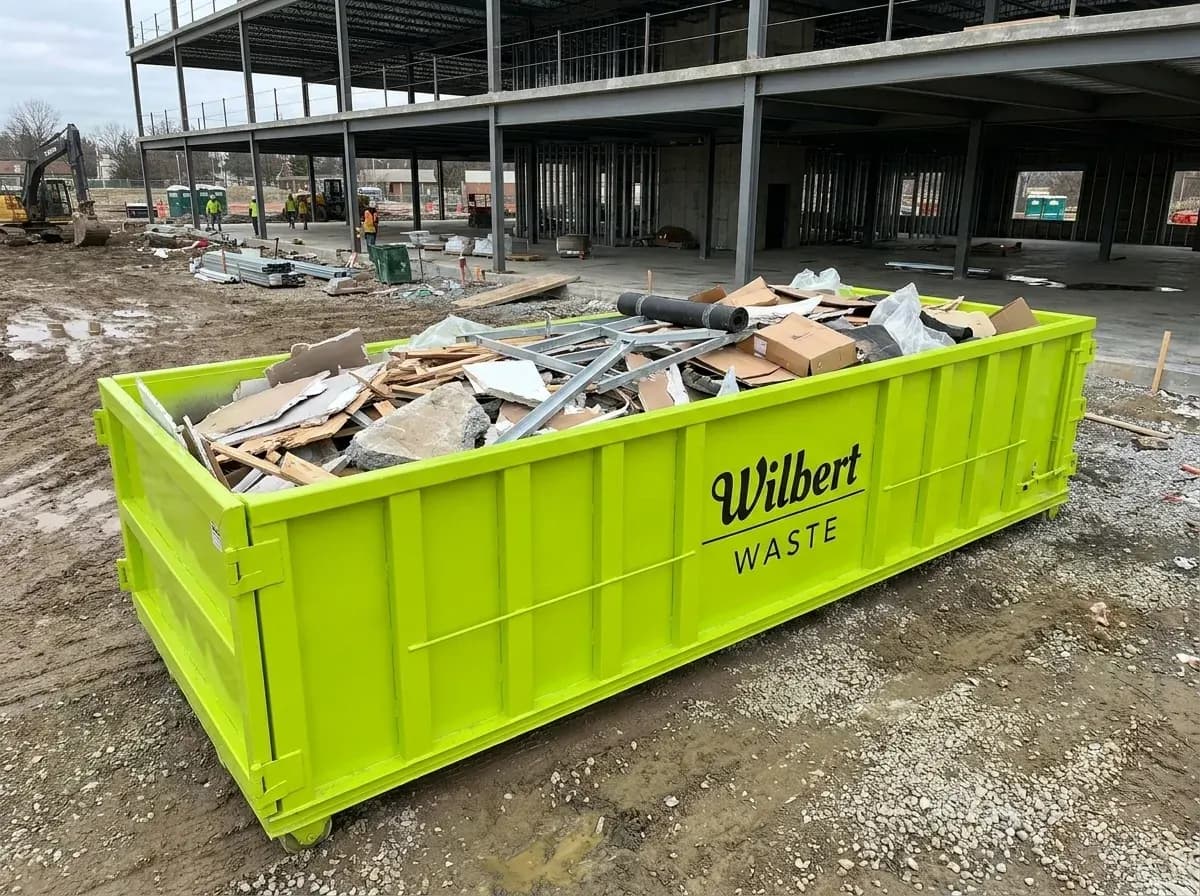
1. One flat disposal cost instead of surprise dump fees
Paying by the trip means paying a different, unpredictable amount every time — tipping fees vary by load and by facility, and the meter's always running. A flat-rate roll-off with included tonnage gives you one known disposal number you can build straight into the bid.
No surprises at the scale, no margin leaking out load by load.
2. Keep crews on billable work, not driving to the landfill
Every landfill run pulls a crew member — or the whole crew — off the job for an hour or more of unbilled labor plus fuel. An on-site container keeps everyone doing the work you're actually getting paid for while the debris stacks up in one place.
On a multi-day install or cleanout, that recovered time is real money.
3. Use green-waste rates for clean organic loads
Clean, source-separated green waste — branches, sod, trimmings, brush — is often cheaper to dispose of than mixed debris. If you keep organics out of the mixed pile, we can route the load to a compost and mulch facility instead of a landfill, and you take advantage of lower green-waste rates.
Reduced pricing for clean organic loads is one of the simplest ways to shave disposal cost on routine maintenance work.
4. Handle big cleanouts and hillside clearing without buying a dump truck
Land clearing, overgrown hillside lots, large installs, and full-property cleanouts generate more debris than a trailer can handle — but buying and maintaining a dump truck is a serious capital cost. A 20- or 30-yard roll-off lets you take on those bigger jobs without the overhead, then walk away when the container's hauled.
You get dump-truck capacity only when you need it.
5. Control overage with the right size and weight
The fastest way to lose margin is an overage charge you didn't plan for — and landscaping loads are heavy. Soil, sod, gravel, and the stone from an old retaining wall hit weight limits long before the container looks full, so sizing to weight (not just volume) matters.
Keep dense material like dirt, stone, and concrete in a smaller dedicated load, and use our size guide and calculator to match the container to the job before it's on the truck.
Set up your landscaping crew
For crews running regular installs and cleanups, a contractor account makes disposal one less thing to think about: recurring drops on your schedule and Net-30 terms for qualified accounts. Set it up on our contractors page.
Local service links
Planning this project in the Pittsburgh area? Check local details and availability in Pittsburgh, Monroeville, and Greensburg. If your dates are firm, you can go straight to online booking.
Frequently asked questions
What size dumpster do landscapers usually need?
Most landscaping work fits a 15- to 30-yard depending on the job. Because soil and sod hit weight limits fast, size to weight as well as volume — we'll help you match the container to the load so you don't get an overage surprise.
Do you offer accounts for recurring landscaping work?
Yes — recurring drops and Net-30 contractor accounts are available. Set it up through our contractors page.
Ready to book a dumpster?
Transparent pricing, fast local delivery, and online checkout in about 90 seconds.