Overview
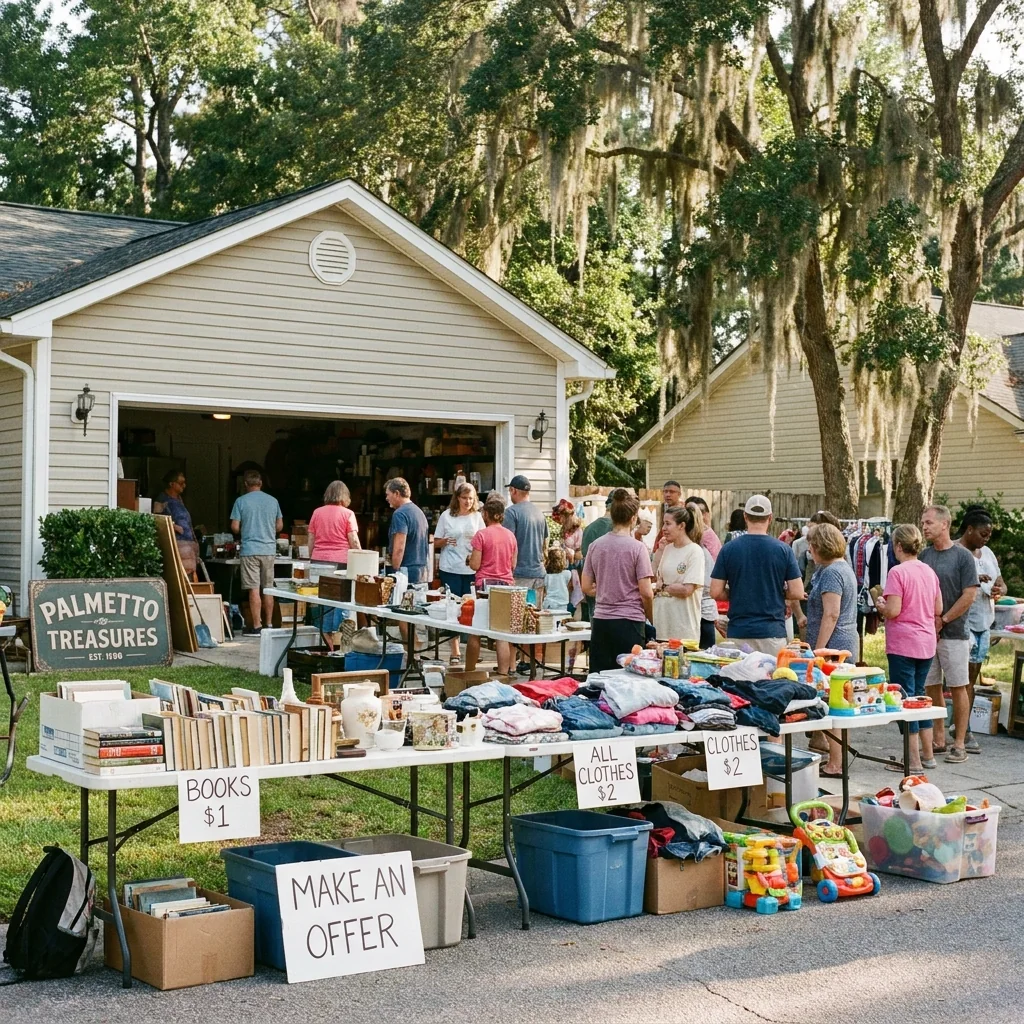
A great garage sale is mostly preparation. The difference between a driveway that clears out and one that leaves you dragging half of it back inside comes down to a handful of things: the right date, honest pricing, real advertising, and a setup that invites people to stop.
Here's how to run one that pulls a crowd and actually moves inventory — and what to do with whatever's left when the day is over.
Plan and pick the right date
Saturday mornings win. Most Pittsburgh-area garage-sale traffic hits between 8 a.m. and noon, so start early and plan to wrap by early afternoon. Late spring through early fall is the season — check the forecast, keep a rain date in mind, and don't bother trying in the dead of winter.
If your neighborhood, borough, or HOA runs a community-wide sale day, ride it — the shared advertising and foot traffic will out-pull anything you'd do solo. And confirm your municipality's rules first; some boroughs and HOA plans around Pittsburgh require a quick permit or limit sales to certain weekends.
Price everything to sell
Your goal is to move it, not to store it another year. Price items at a fraction of retail, use round numbers so you're not fishing for change, and actually put price tags on things — shoppers walk right past anything they have to ask about.
Bundle slow movers ('fill a bag for one flat price') and be ready to deal, especially as the morning winds down. Anything still sitting there at noon is worth less to you than the space it's taking up.
Advertise so people actually show up
A sale nobody knows about is just you sitting in your driveway. Post it a few days ahead on Facebook Marketplace and local buy/sell groups, add it to a garage-sale app or two, and photograph your best big-ticket items to draw people in.
Day-of, put up clear, weatherproof signs with big arrows at the nearest main intersections — and remember to take them down when you're done.
Set up and display like a store
People buy what they can see and reach. Get items up off the ground onto tables at browsing height, group like with like (tools together, kitchen together, kids' stuff together), and stage your most eye-catching pieces near the street to stop cars. If your driveway is on a slope — as so many are around here — chock the table legs and keep anything that rolls on the uphill side.
Keep an extension cord handy so buyers can test electronics, stock a cash box with plenty of small bills, and set up a phone payment app for the bigger sales.
Day-of tips
Start before your posted time — the serious buyers come first, and they buy. Greet people, stay friendly, and keep an eye on your valuables and cash box throughout the morning.
As traffic slows, start cutting prices and grouping leftovers into bulk or free piles. The aim is to end the day with as little to deal with as possible.
What to do with everything that didn't sell
When the sale winds down you'll still have a pile of things nobody bought — and dragging it all back into the garage defeats the whole point. Donate whatever's still usable to a local charity or Habitat ReStore first; our goal is always to keep things out of the landfill wherever we can.
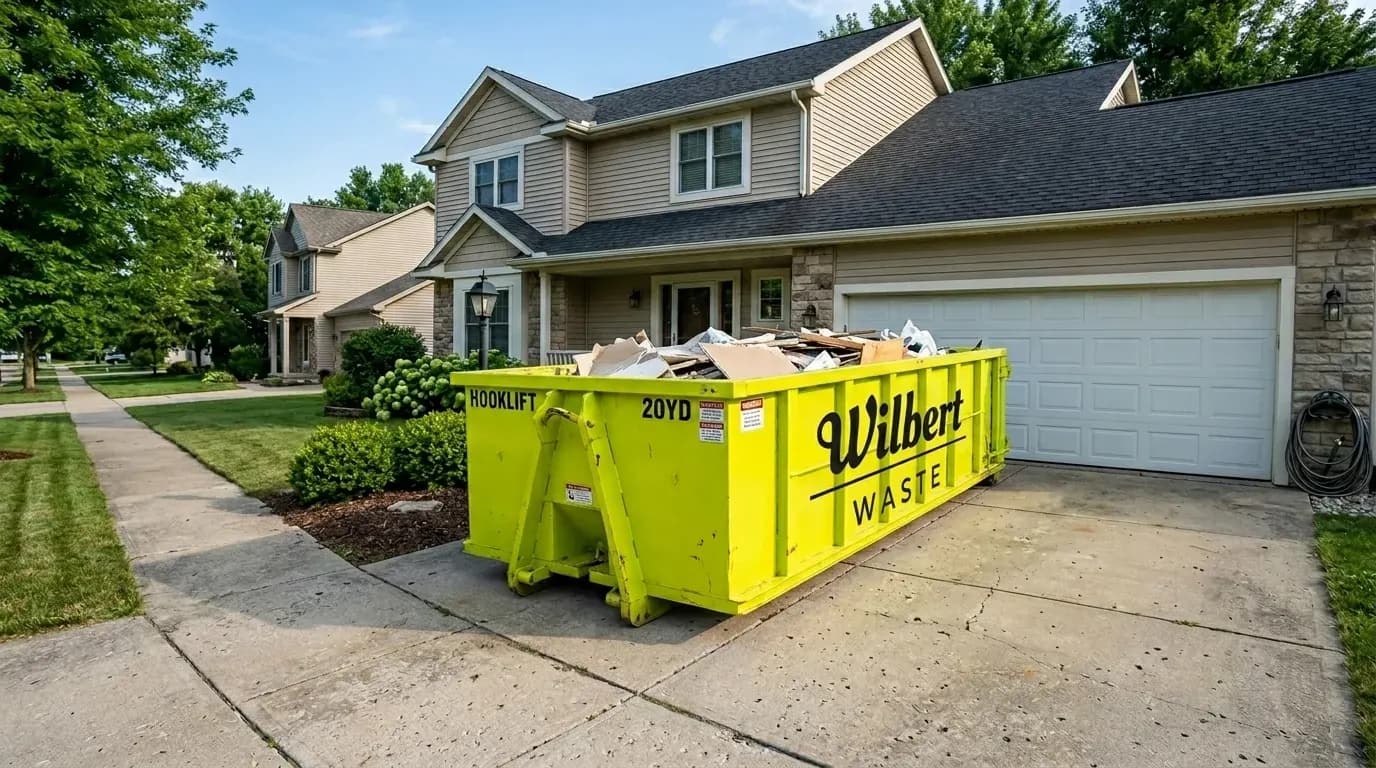
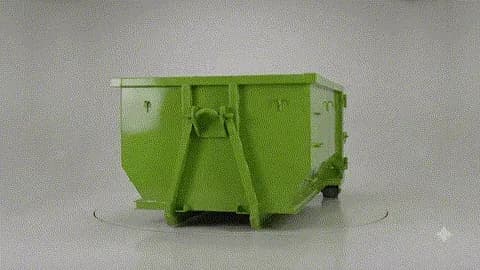
For everything that's genuinely done, Wilbert Waste can drop a right-sized roll-off in your driveway so the leftovers are gone in one clean sweep instead of lingering for months. Book online, fill it on your own schedule, and enjoy the space you just cleared.
Hosting a multi-family or neighborhood-wide sale? Team up on the cleanup, too. A few neighbors can share one roll-off and split the cost, tossing everyone's leftovers into the same container — it's usually cheaper per household than each family hauling their own, and it clears the whole block in a single pass.
Local service links
Planning this project in the Pittsburgh area? Check local details and availability in Pittsburgh, Monroeville, and Greensburg. If your dates are firm, you can go straight to online booking.
Frequently asked questions
How do I get rid of what doesn't sell at my garage sale?
Donate usable items to a local charity or ReStore first to keep them out of the landfill, then book a right-sized dumpster for whatever's left so it's gone in one pass. If you ran a neighborhood-wide sale, neighbors can also share one dumpster and split the cost.
What sells best at a garage sale?
Furniture, tools, baby and kids' gear, kitchenware, and sporting goods tend to move fastest — especially when they're clean, working, and priced to sell. Clothing and niche collectibles move slower, so price those to go.
Ready to book a dumpster?
Transparent pricing, fast local delivery, and online checkout in about 90 seconds.